Intentional vs. Traditional Goals: Why Who You’re Becoming Matters More Than Where You’re Going
When Old Goals Don’t Fit Anymore
We’re taught to chase destinations—graduate, land the job, buy the house, check the box.
But what happens when life turns upside down and those destinations no longer fit?
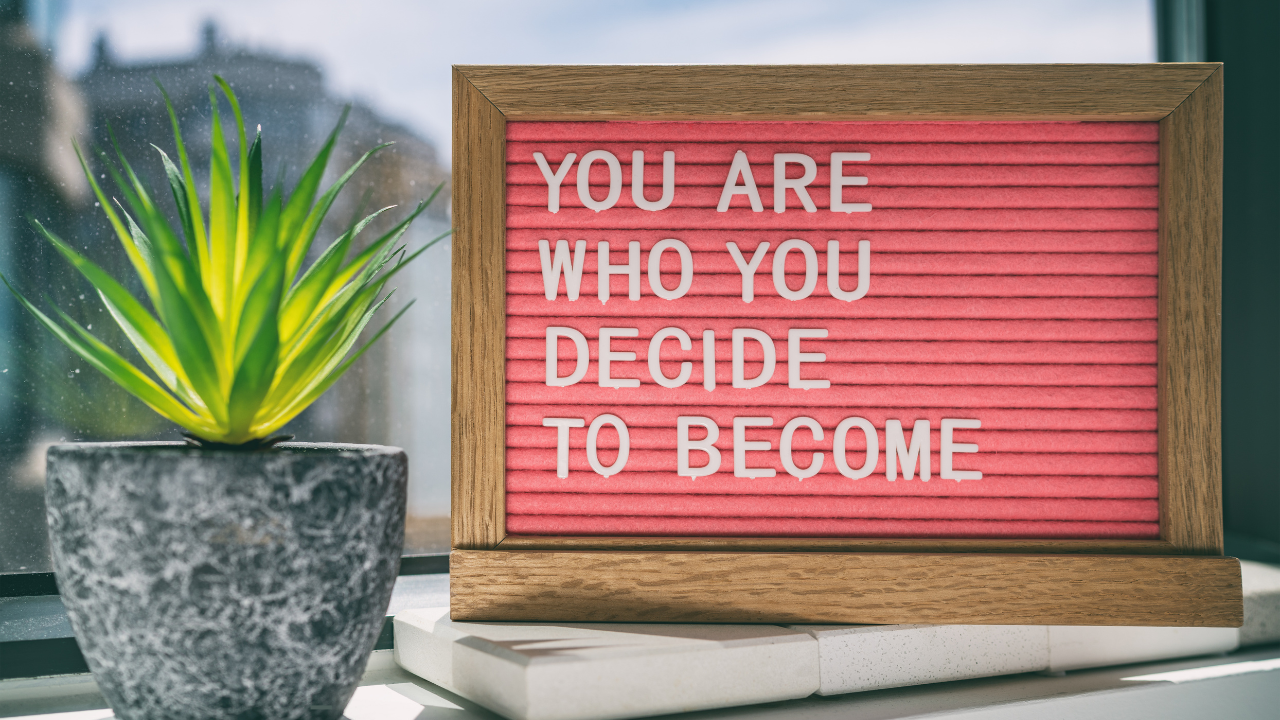
After adversity, the question shifts from “Where do I want to be?” to “Who do I want to become?” This is more than wordplay. It’s a powerful, practical mindshift, one that anyone can learn.
Why Traditional Goals Feel Empty After Change
Traditional goals are about outcomes:
- “Lose 20 pounds.”
- “Get promoted.”
- “Run a marathon.”
They’re clear and motivating—until life interrupts.
A setback, a loss, or a change in identity can make these goals feel out of reach or even irrelevant.
If you’ve ever thought, “I should want this, but I don’t,” you’re not alone.
This is your inner self nudging you toward something deeper.
The Mindshift: From Achieving to Becoming
Switching from outcome-based to identity-based goals isn’t just for “motivated” people or those who already have it together. It’s for anyone, especially those feeling lost or stuck after a hard season.
What Does This Look Like in Real Life?
- Instead of “I want to run a marathon,” try: “I want to become someone who enjoys moving my body.”
- Instead of “I need to get back to my old self,” try: “I want to become someone who is gentle with myself as I heal.”
- Instead of “I have to be productive again,” try: “I want to become someone who honors my energy and celebrates small wins.”
This shift is achievable because it’s about progress, not perfection.
You don’t need a 10-step plan. You need a new lens.
Why Identity-Based Goals Actually Work
Behavioral science shows that when you anchor goals in identity, you’re more likely to stick with them—because you’re not just chasing an outcome, you’re living into a new story about yourself.
Example:
- “I’m a runner” (identity) vs. “I want to run a 5K” (outcome).
Runners run, even if it’s just around the block. If you miss a day, you’re still a runner.
Client Story:
A woman recovering from divorce felt paralyzed by the goal “be happy again.”
When she shifted to: “I want to become someone who notices small joys each day,” her daily walks and gratitude notes became wins, not chores.
Outcomes followed, but the pressure eased.
Common Hesitations (and How to Overcome Them)
1. “But I need results. Isn’t this too ‘soft’?”
Not at all. Identity-based goals create consistency. Consistency creates results.
2. “What if I don’t know who I want to become?”
Start small. Pick one quality—curious, kind, resilient.
Try: “In this season, I want to become someone who…” and finish the sentence honestly.
3. “How do I measure progress?”
Instead of tracking only outcomes, notice how often you show up in alignment with your intention.
Did you practice patience today? Did you move your body? Did you offer yourself grace?
These are real wins.
Three Simple Steps to Make the Shift
1. Name Your Next Chapter
Ask:
“Who do I want to become, now that life looks different?”
Prompt:
“In this next chapter, I want to become someone who…”
Write a few endings, even if they feel small.
2. Translate Identity Into Tiny Actions
Ask:
“What does someone like that do, even on a tough day?”
Examples:
- Want to become more grounded? Try a daily 5-minute pause.
- Want to be more connected? Send one text to a friend.
- Want to be braver? Try something new, no matter how small.
Small, repeated actions shape identity over time.
3. Track Alignment, Not Just Results
Ask:
“Did I show up as the person I’m becoming?”
Some days, yes. Some days, not yet.
Progress is about returning to your intention, not never missing a day.
Tip:
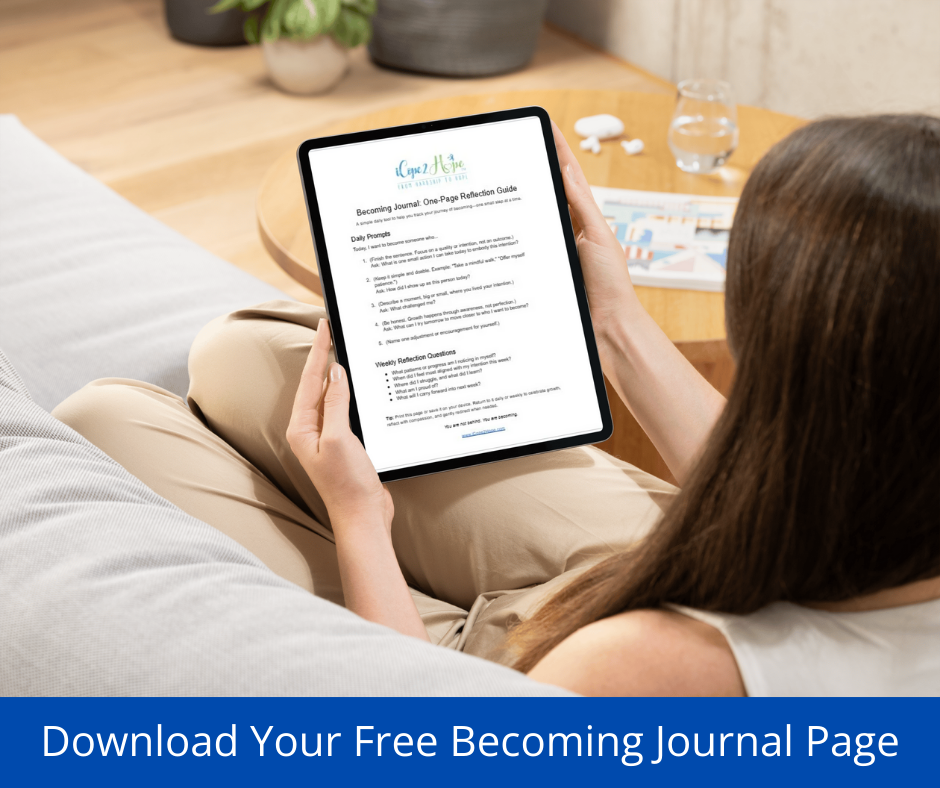
Keep a “Becoming Journal One-Pager.” Each night, jot down one way you lived your intention (or one lesson if you didn’t).
How This Shift Strengthens Traditional Goals
You don’t have to abandon outcomes.
But when you root your goals in identity, you:
- Not only bounce back faster from setbacks, you grow forward
- Feel less pressure and more self-trust
- Make progress even when life is unpredictable
Traditional goals tell you where to go.
Intentional goals remind you who you are—even when the map changes.
An Invitation
If you’ve outgrown your old goals, you’re not lost, you’re becoming.
Start with one intention.
Practice it in small ways.
Give yourself grace.
And if you want support mapping out your next chapter, book a free Clarity Call.
Together, we’ll explore who you’re becoming—and how to set goals that grow with you.
Adversity makes you bitter or better. Choose better. You've got this! 🦋
Grab Your Free Guide!
The Reframe the Spiral: 5 Coping Strategies to Shift Negative Thoughts & Reclaim Your Day workbook walks you step-by-step through 5 proven mindset strategies to help you stop negative thoughts in their tracks and reconnect to your strength. You'll learn how to:
- Stop letting your inner critic lead your day
- Discover clarity despite chaos
- Calm intense emotions
- Rebuild your self-trust and confidence
- Create a plan for real possibility
Stay connected with news and updates!
Join our mailing list to receive the latest tips and proven coping strategies to strengthen your resilience. You CAN turn obstacles into opportunities and flourish in life.
We hate SPAM. We will never sell your information, for any reason.
Author