How to Cope With Grief and Find Hope During the Holidays: Gratitude and New Traditions After Loss or Divorce
The holiday season is often painted as a time of joy, connection, and celebration.
But for many—especially those who have experienced loss, divorce, or other major life changes—this time of year can feel overwhelming, isolating, or even painful. Navigating the holidays after adversity is a journey that requires courage, self-compassion, and a willingness to rewrite what this season means for you.
As someone who has faced the heartbreak of losing my teenage son and the upheaval of an unexpected divorce, I know firsthand how the holidays can magnify both grief and hope. My experience as a resilience coach and my own healing journey have shown me that it’s possible to create new meaning and even moments of gratitude during the most difficult seasons.
In this blog, I’ll share practical strategies and personal stories to help you move through the holidays with serenity, resilience, and the power to grow forward, not just bounce back.
Micro-Gratitude: Finding Small Joys in the Everyday
When you’re grieving or adjusting to a new reality, it can be hard to find anything to feel grateful for. The big, sweeping gestures of gratitude may feel out of reach. That’s why I encourage my clients, and myself, to look for what I call “micro-gratitude.”
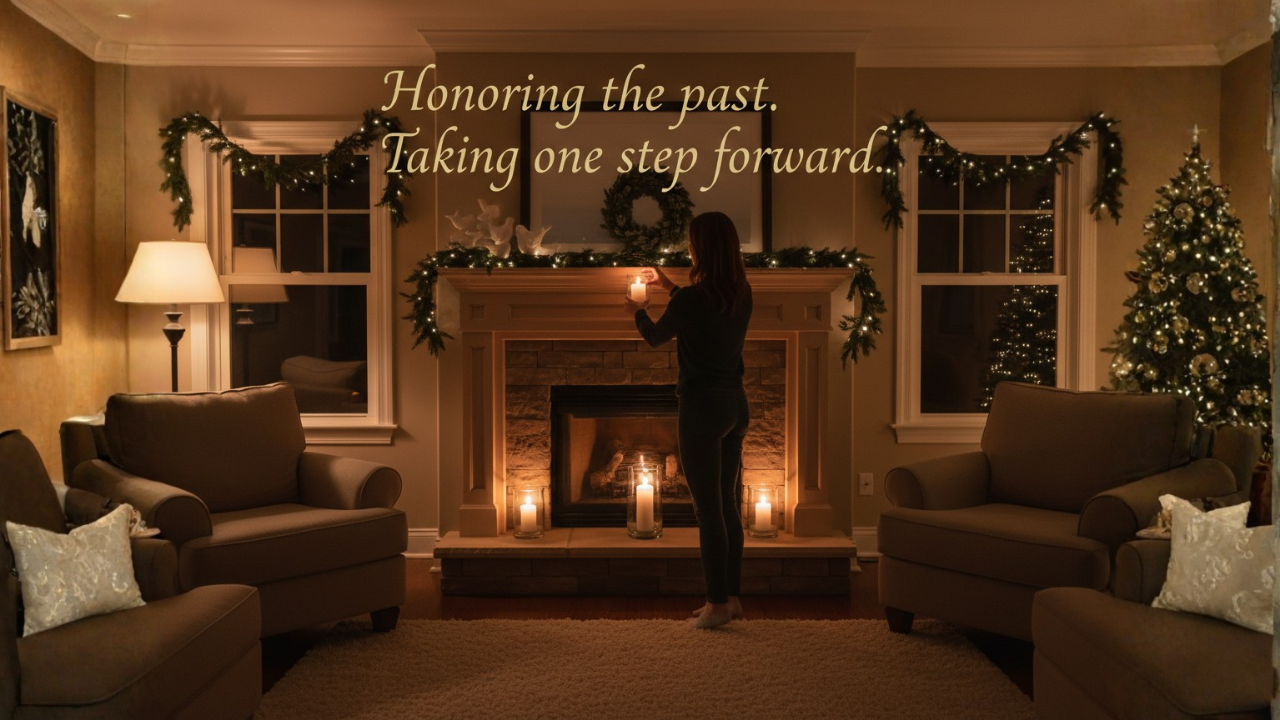
Micro-gratitude is about noticing the smallest comforts and joys: the warmth of a mug of tea in your hands, the gentle flicker of candlelight, the sound of a favorite holiday song, or a brief moment of laughter with a friend. These tiny moments may seem insignificant, but they can be powerful anchors when everything else feels uncertain.
A Personal Story
The first Christmas after my son passed away, I felt lost in a fog of sadness. The traditions we once shared felt hollow, and the idea of celebrating without him seemed difficult. But I remember one quiet morning, sitting by the window with a blanket and a cup of my favorite coffee, watching the sun rise. For a few moments, I felt a sense of peace, a small spark of gratitude for that bit of warmth and light. It didn’t erase my grief, but it reminded me that hope could still be found, even in the smallest things.
Practical Tips for Micro-Gratitude:
-
Keep a daily “small wins” or gratitude journal, write down one thing each day that brought you comfort or a moment of peace.
-
Create a sensory ritual: light a candle, sip a warm drink, or listen to music that soothes you.
-
Allow yourself to acknowledge and savor these moments, no matter how brief or simple they may be.
By focusing on micro-gratitude, you empower yourself to find beauty and hope, even on the hardest days. This simple practice can be your first step toward healing and reimagining the holidays on your own terms.
Traditions That Honor Both Loss and Growth
The holidays are woven with rituals and traditions, many of which may feel impossible or painful after loss or major change. When your family structure has shifted or a loved one isn't around anymore, the old ways of celebrating can become bittersweet reminders of what’s changed. But traditions don’t have to be all-or-nothing. They can evolve, just as you are evolving.
Embracing Duality: Grief and Growth
It’s natural to want to hold on to the past, especially when it’s filled with cherished memories. Yet, you also have the capacity to create new moments that honor both where you’ve been and where you’re going. Allow yourself to blend remembrance with renewal, creating rituals that acknowledge your loss while also making space for hope and growth.
A Personal Story:
My first Christmas after my divorce was filled with uncertainty. The familiar patterns—decorating the tree as a family, sharing meals, exchanging gifts—were suddenly upended. I felt the ache of absence, not only for my marriage but for the family traditions that once brought comfort. That year, I decided to keep a few rituals that still felt meaningful, like hanging my favorite ornaments and baking cookies for my son and his wife. But I also introduced something new: a favorite breakfast on Christmas morning, just for myself. That simple act became a symbol of my resilience, a way to honor what was, while gently stepping into what could be.
Practical Ways to Honor Both Loss and Growth
-
Light a candle or set a place at the table to remember a loved one, then try a new recipe or activity that symbolizes moving forward.
-
Invite friends or family to share a favorite memory of someone you’re missing, followed by creating a new tradition together.
-
Allow yourself to skip or modify old traditions if they feel too painful, and know that you can revisit them in the future if and when you’re ready.
Traditions are not about perfection; they’re about meaning. By empowering yourself to adapt, you create space for both grief and growth. This flexibility is not only an act of self-care, it’s a testament to your ongoing resilience.
Empower Yourself to Redefine Participation
One of the most liberating—and sometimes challenging—realizations after loss or major life changes is that you have the power to choose how you engage with the holidays. There is no rulebook that says you must attend every gathering, uphold every tradition, or put on a happy face if you’re not feeling it. The holidays can look different this year, and that’s okay.
Allowing Yourself to Choose What Feels Right
Empowering yourself to redefine participation means listening to your own needs and honoring your emotional bandwidth. Some years, you might crave connection and celebration. Other years, you might need solitude, quiet, or something entirely new. Both are valid. The most important thing is to allow yourself to do what feels most supportive for you right now, without guilt or apology.
Practical Ways to Redefine Participation:
-
Politely decline invitations that feel overwhelming or draining. It’s okay to say no.
-
Create your own rituals, whether that’s a solo walk, volunteering, or treating yourself to a favorite meal or movie.
-
Spend time with people who truly understand and support your journey, even if that’s just one trusted friend or family member.
-
Give yourself permission to change plans at the last minute if your energy shifts.
Honoring Your Needs Is Not Avoidance, It’s Self-Compassion
Choosing how you participate isn’t about avoiding the holidays or isolating yourself. It’s about recognizing what you need to heal, recharge, and feel safe. Sometimes, this means stepping back. Other times, it means showing up in new ways. Either choice is a powerful act of self-respect and resilience.
Know that redefining your participation is not a failure or a retreat, it’s an empowered step toward honoring your own healing process. The holidays belong to you, too, and you are allowed to shape them in ways that support your well-being.
The “Firsts” Framework: Marking Milestones
When you’re navigating life after loss or major change, the holidays often bring a series of “firsts.” There’s the first Christmas after a loved one has passed, the first New Year’s Eve spent alone, the first time you try a new tradition or skip an old one. These milestones can feel overwhelming, but they are also profound markers of your resilience.
Why “Firsts” Matter
Each “first” is evidence that you are moving forward, even if it doesn’t feel like progress in the moment. Acknowledging these milestones, no matter how small, can help you honor your journey and recognize your courage. These moments are not simply reminders of what’s changed; they are also opportunities to witness your own strength and adaptability.
A Personal Reflection:
I remember my first Christmas after my son’s passing. Every ornament, every carol, every holiday movie was a reminder of what I had lost. But it was also the first time I allowed myself to create new meaning for the season. I started a new ritual: writing a letter to my son, sharing memories, hopes, and even my pain. That act became a touchstone, a way to honor his memory and acknowledge my own growth with each passing year.
Similarly, my first Christmas after divorce brought its own set of “firsts.” The first time I woke up to a quieter house, the first time I split holiday time with my son and his family, the first time I watched our favorite holiday movies by myself. Each milestone was difficult, but each one also reminded me that I was, in fact, moving forward, even if just one step at a time.
Practical Tips for Navigating “Firsts”
-
Keep a “firsts” journal to document new experiences and emotions as they arise.
-
Create small rituals or mementos to mark significant milestones (lighting a candle, writing a letter, taking a commemorative walk).
-
Share your “firsts” with a trusted friend, support group, or therapist, sometimes, simply being witnessed in your journey can bring comfort.
-
Let yourself feel a mix of emotions—grief, relief, hope, nostalgia. All are valid.
Marking your “firsts” is not about minimizing your pain or rushing your healing. It’s about honoring the truth of your experience and recognizing that every step, no matter how small, is a testament to your strength. You are growing forward, even when it’s hard to see.
Practical Holiday Self-Care Strategies
Taking care of your emotional, mental, and physical well-being is essential, especially during the holidays, when stress and grief can feel magnified. Self-care is not selfish; it’s a vital foundation for resilience and healing. Here are some practical strategies to support yourself through the season:
1. Prioritize Rest and Nourishment
Let yourself rest. Grief and change are exhausting, and it’s okay to need extra sleep or downtime. Nourish your body with comforting meals and stay hydrated. Listen to what your body needs, sometimes that means a nap, a walk, or simply breathing deeply for a few moments.
2. Set Boundaries with Compassion
You need to protect your energy. Politely and respectfully let others know what you’re able to participate in and what you’re not. If certain topics or traditions are too painful, it’s okay to say so. Setting boundaries is an act of self-respect that creates space for healing.
3. Reach Out for Support
Connection is a powerful antidote to isolation. Reach out to trusted friends, family, support groups, or a therapist. Let someone know you’re struggling, or simply ask for company. If you feel alone, consider joining an online community or attending a local support event.
4. Create Simple, Soothing Rituals
Small rituals can offer comfort and stability. Light a candle each evening, start a gratitude or “one small win” journal, or take a walk in nature. These practices can help anchor you in the present and provide moments of peace.
5. Practice Compassionate Self-Talk
Notice your inner dialogue. If you catch yourself being critical or impatient, try to respond with the same kindness you’d offer a friend. Remind yourself: “I’m doing the best I can. It’s okay to feel what I feel.”
6. Allow for Joy and Sorrow to Coexist
It’s possible to experience moments of happiness even in the midst of grief. Allow yourself to smile, laugh, or enjoy something beautiful without guilt. Joy does not diminish your love or your loss, it can be a sign of healing.
7. Know When to Seek Professional Help
If your grief feels overwhelming or you’re struggling to function day-to-day, reach out to a mental health professional. Support is available, and you don’t have to do this alone.
Self-care is not a checklist; it’s a practice of tuning in to what you need and responding with compassion. By caring for yourself, you build the strength to continue growing forward, one gentle step at a time.
Closing Thoughts: Growing Forward, Not Just Bouncing Back
The holidays can be a complex tapestry of emotions—grief, hope, nostalgia, and even unexpected moments of joy. If you’re reading this, know that your feelings are valid, and your journey through this season is uniquely your own. It’s okay to honor what you’ve lost and, at the same time, allow space for new beginnings. You are not defined by what has happened to you, but by your willingness to keep growing forward, even when it’s hard.
Resilience isn’t about erasing pain or pretending to be okay. It’s about facing each day with gentleness, courage, and a commitment to finding meaning in small moments. Whether you’re embracing micro-gratitude, adapting old traditions, redefining your participation, or marking your “firsts,” remember: every step you take is a testament to your strength.
You don’t have to navigate this season alone. If you’re ready for more support, encouragement, and practical tools to help you flourish after adversity, I invite you to connect with me. Together, we can explore personalized strategies for resilience and create a plan that honors your unique story.
Ready to take the next step?
Book a free clarity call with me to begin your journey toward healing and hope. Let’s work together to help you grow forward, not just bounce back, this holiday season and beyond.
Adversity makes you bitter or better. Choose better. You've got this!
Grab Your Free Guide!
The Reframe the Spiral: 5 Coping Strategies to Shift Negative Thoughts & Reclaim Your Day workbook walks you step-by-step through 5 proven mindset strategies to help you stop negative thoughts in their tracks and reconnect to your strength. You'll learn how to:
- Stop letting your inner critic lead your day
- Discover clarity despite chaos
- Calm intense emotions
- Rebuild your self-trust and confidence
- Create a plan for real possibility
Stay connected with news and updates!
Join our mailing list to receive the latest tips and proven coping strategies to strengthen your resilience. You CAN turn obstacles into opportunities and flourish in life.
We hate SPAM. We will never sell your information, for any reason.
Author